
In an era where the tourism and hospitality industries face mounting environmental challenges, integrating Urban Farming concepts into hotel and restaurant operations has emerged as a promising solution. A standout example is the development of a rooftop vegetable farm at Centara Grand at CentralWorld, in collaboration with Bangkok Rooftop Farming Co., Ltd.

Transforming Vacant Spaces into Food Production Zones
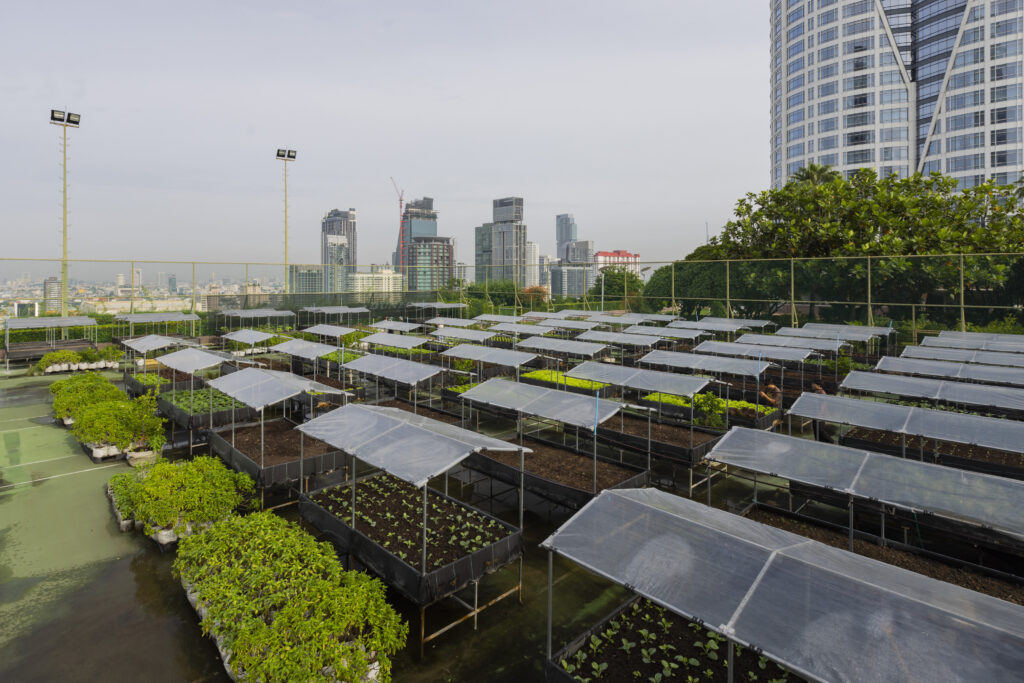
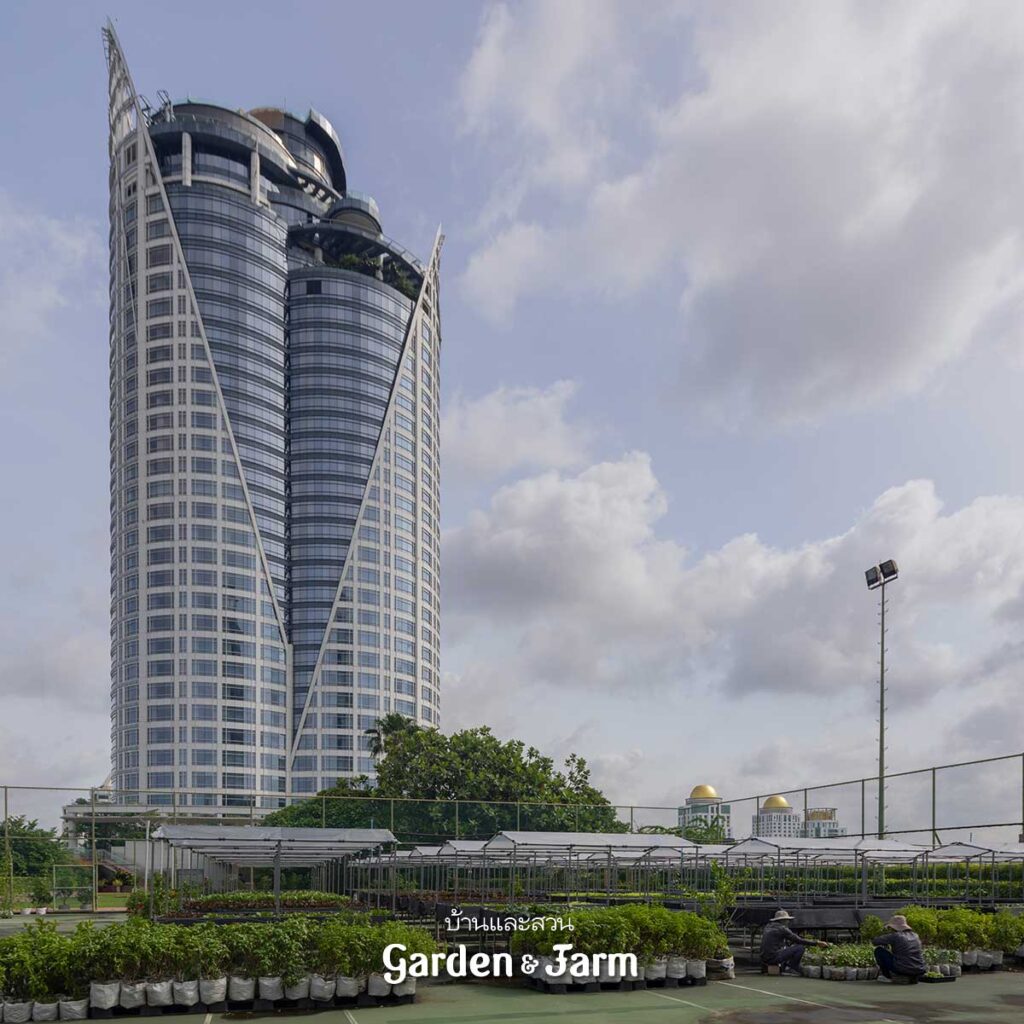
What was once a former tennis court on the 24th floor has been transformed into a 1-rai rooftop farm, equipped with 52 planting tables, capable of producing up to 618 kilograms of fresh vegetables per month. The layout is strategically designed to align with the sun’s path, ensuring optimal sunlight exposure for the crops. Additionally, the space is divided into distinct zones — the nursery zone, planting zone, and composting zone, creating a visually appealing landscape that also enhances the hotel’s overall aesthetics.
From Food Waste to Compost
A key success of this project is the conversion of food waste from the hotel into organic compost. The composting process involves mixing fruit scraps with coconut husk and cow manure in a 1:1:1 ratio. This mixture is then combined with soil and coconut husk, turned every 3–4 days, and left to decompose for approximately 20 days, resulting in nutrient-rich soil that is ideal for crop cultivation. This method not only reduces food waste but also lowers greenhouse gas emissions and creates a sustainable production cycle.
Benefits for Business and the Environment
Establishing a rooftop farm goes beyond reducing the cost of sourcing vegetables externally. It also contributes to food security and food safety for hotel guests while reinforcing the hotel’s brand as a socially and environmentally responsible entity.
Towards Green Globe Certification The rooftop farming initiative aligns with the criteria set by Green Globe, a globally recognized sustainability standard for the travel and tourism industry. The standard comprises 44 criteria and over 380 indicators, covering sustainable management, socio-economic aspects, cultural heritage, and environmental conservation. Implementing urban farming within hotel operations represents a significant step towards achieving this prestigious certification.
