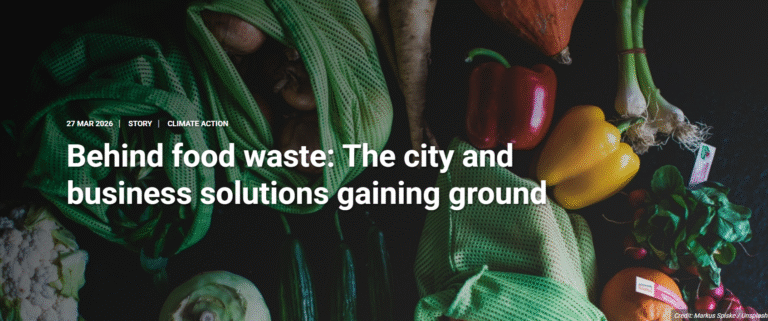
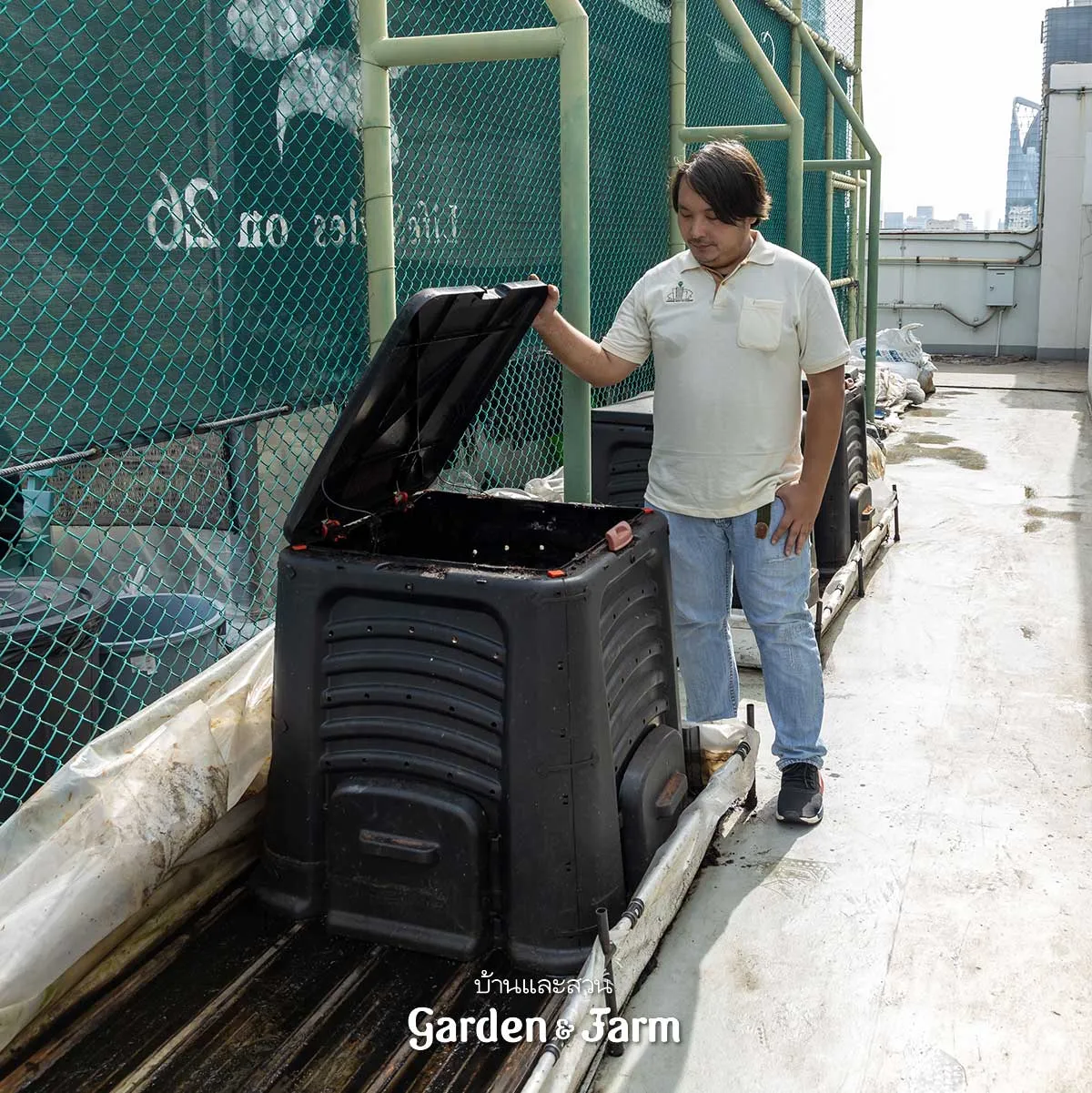


In the hotel industry, food waste is a significant issue affecting both the environment and operational costs. Instead of viewing waste as a burden, many hotels are now seeing it as a “resource,” and Circular Urban Farming provides the answer.

Organic waste, such as vegetable peels, fruit scraps, and kitchen leftovers, undergoes composting to become safe, high-quality fertilizer—a core component of Circular Urban Farming. This system reduces methane emissions from landfills and significantly lowers carbon footprints, aligning with Green Globe criteria 1 and 2.
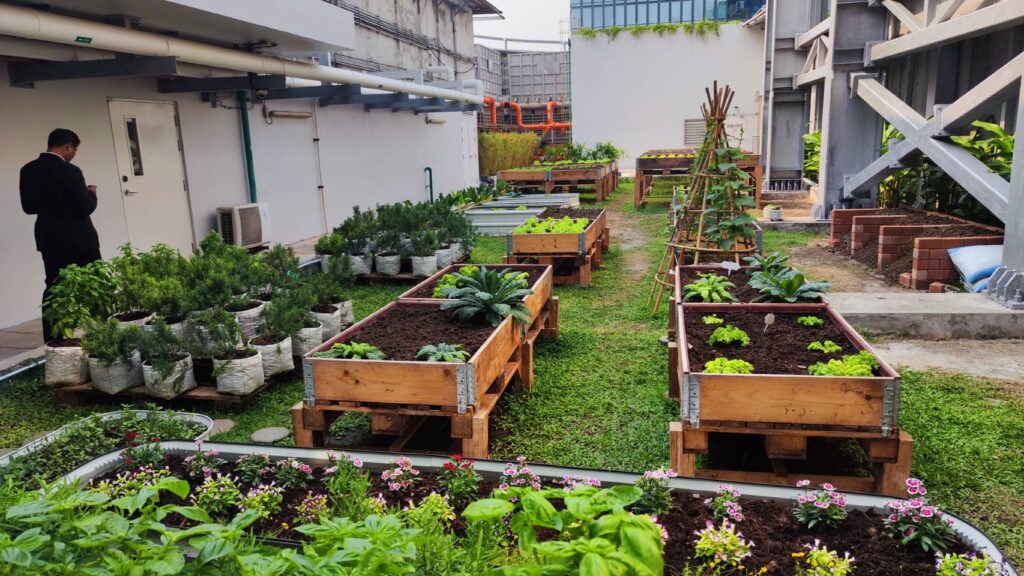
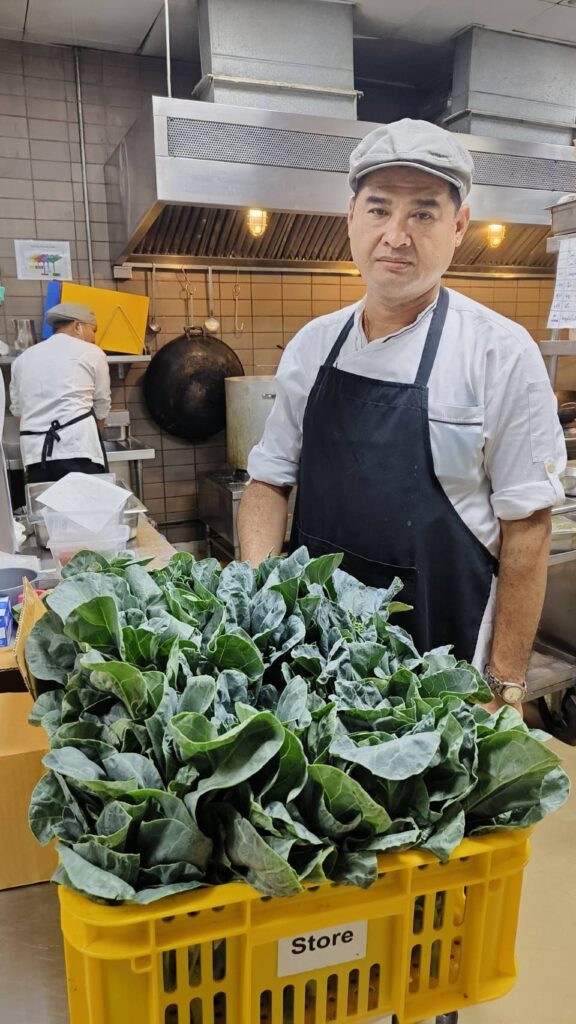
Produce from urban farms, like leafy greens, herbs, or edible flowers, can be directly incorporated into hotel menus, allowing hotels to establish a unique “Farm-to-Table” identity that appeals to eco-conscious consumers and reduces long-term procurement costs.
Moreover, hotels adopting the Circular Urban Farming model can demonstrate their commitment to sustainability to guests and effectively communicate an environmentally responsible brand image. This waste management approach can be integrated into ESG (Environmental, Social, Governance) plans and serve as a tool for obtaining Green Globe certification.
🌱 Bangkok Rooftop Farming Co., Ltd.
Green Your Space — Grow Your Impact